Love the charm of wide-plank floors, hand-cut beams, and riverfront villages? Middlesex County’s historic homes offer all of that character, but they also come with questions about repairs, permits, and smart upgrades. If you are drawn to towns like Middletown, Essex, Deep River, Chester, and Old Saybrook, you want a plan that protects both the home’s soul and your budget. In this guide, you will learn what styles you will see, what to inspect before you buy, how to sequence a renovation, and what local rules and tax credits could mean for your timeline and costs. Let’s dive in.
What Middlesex County historic homes look like
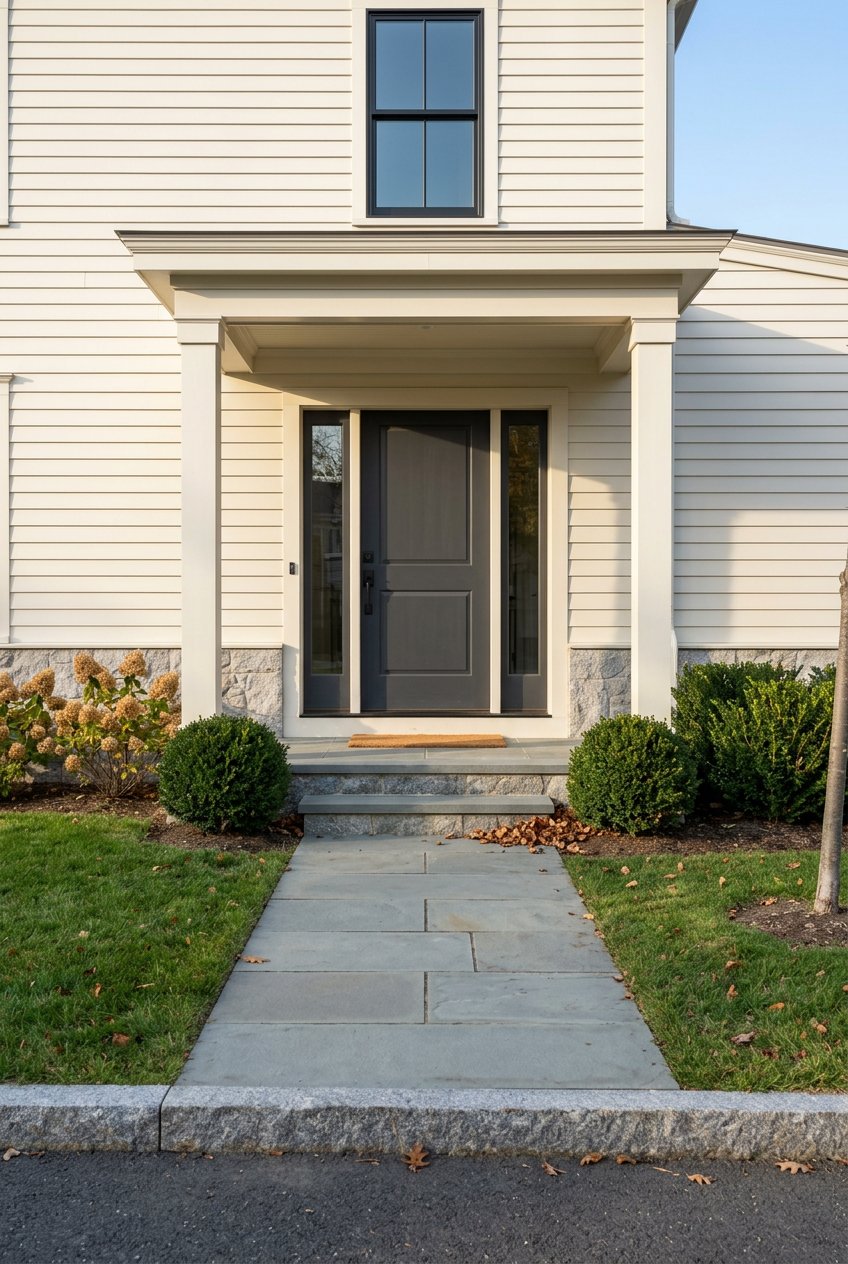
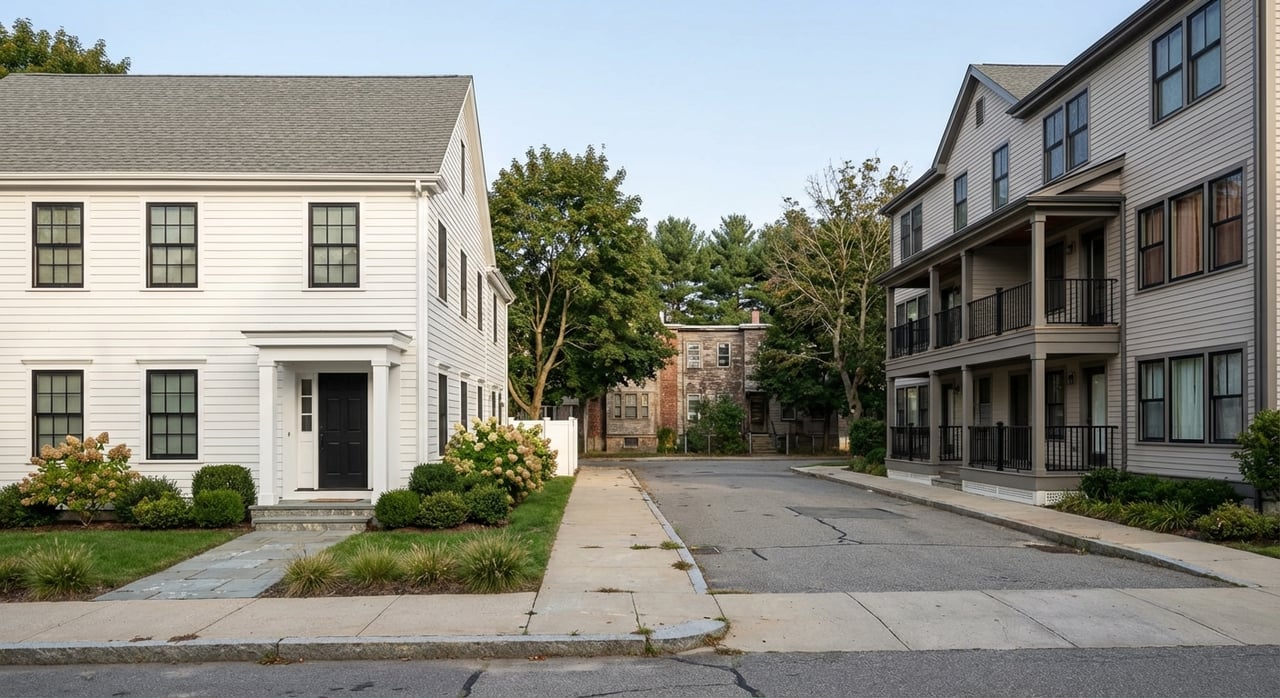
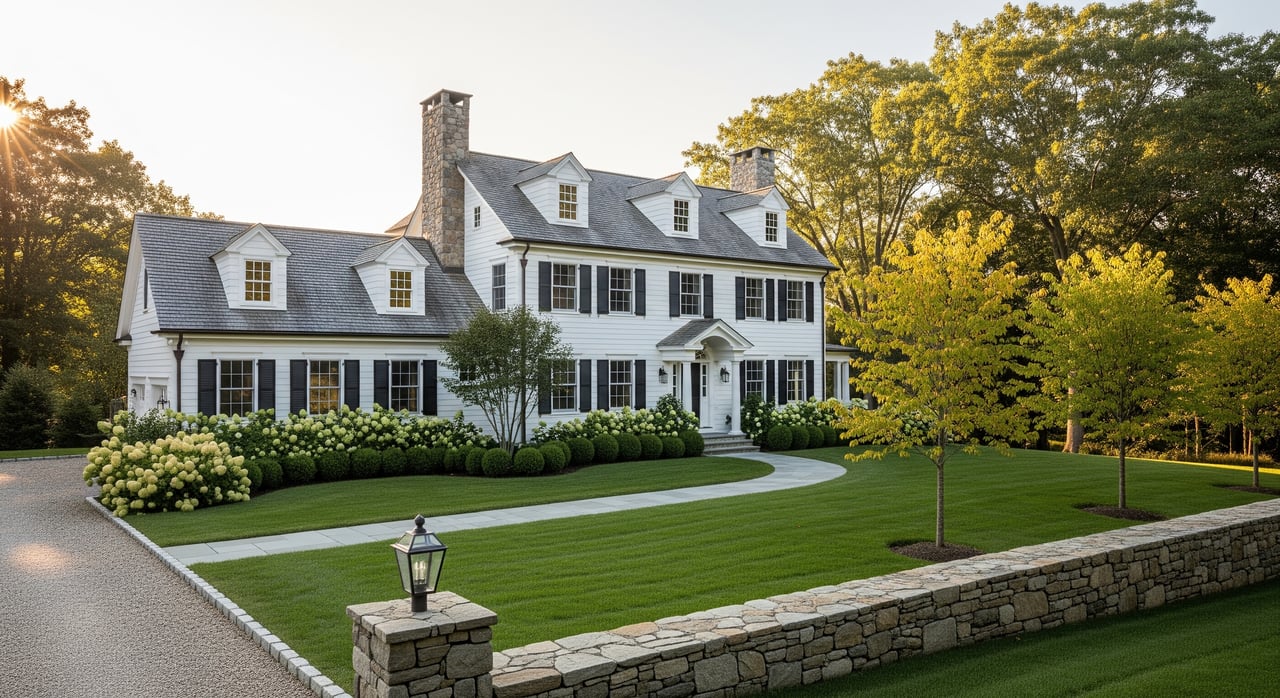
Common styles you will see
You will find a rich mix of 18th to early 20th century homes across the county’s riverfront and shoreline towns. Many communities have intact historic cores along the Connecticut River and Long Island Sound. The Middlesex County Chamber’s overview of local towns highlights these village centers.
Expect to see:
- Colonial and Georgian homes from the 17th to late 18th century
- Federal and Greek Revival styles in the late 18th to mid 19th century
- Italianate, Gothic Revival, Second Empire, and Queen Anne in the Victorian era
- Colonial Revival, Craftsman, and early 20th century domestic styles
Local historical groups offer great context and examples. The Old Saybrook Historical Society shares self-guided tours and landmarks, and the Essex Historical Society’s Pratt House is a well-known local example of preserved history.
- Learn from the Old Saybrook Historical Society
- Explore the Pratt House with the Essex Historical Society
Why style and era matter when you buy
Each era used different materials and systems. Earlier houses often have timber frames, stone or rubble foundations, plaster-and-lath walls, and wood clapboards. Later 19th and early 20th century homes may have balloon framing, older electrical systems, and original wooden windows. Knowing the era helps you predict likely repairs and budget for what matters most.
What to check before you buy
Start with roof, structure, and water control
Water is the biggest long-term threat to older houses. Prioritize the roof, flashings, gutters, grading, and drainage. The National Park Service’s guidance on sustainability and building performance sets a strong baseline for moisture and energy decisions in historic buildings. Review the NPS sustainability and historic buildings guidance for the big picture on preservation-minded maintenance.
Electrical safety and insurance readiness
Many older homes still have undersized electrical service, older fuse panels, or even knob-and-tube wiring. These can raise safety and insurance issues. Have a licensed electrician assess service capacity, grounding, and panel conditions. Plan and budget for upgrades early, since electrical improvements often need to precede other work.
Lead paint, asbestos, and safe work practices
If the home was built before 1978, assume there is lead-based paint. When you disturb paint during renovation, contractors must follow the EPA Renovation, Repair and Painting rules. Learn the basics and hire certified firms through the EPA RRP program.
Asbestos can be present in a range of older materials such as some floor tiles, roof or siding shingles, and pipe insulation. The Connecticut Department of Public Health explains how asbestos is regulated and when abatement is required. Review the CT DPH asbestos program guidance before any demolition.
Also consider the home’s drinking water. Connecticut agencies are advancing lead service line inventories across water systems. Ask the local utility for current disclosures and plans if you are buying in a serviced area.
Sewer, septic, and wells
Many in-town properties are on municipal sewer, but outlying homes may have septic systems. A failed or undersized septic can be a costly surprise. Schedule a septic inspection and confirm records. Connecticut’s Technical Standards for Subsurface Sewage Disposal guide system design and repair. Start with the CT DPH onsite wastewater information to understand requirements.
Flood risk for riverfront and shoreline homes
Proximity to the Connecticut River or Long Island Sound can increase flood risk. Check FEMA flood maps early, ask for any elevation certificates, and discuss local floodplain rules with the town. Insurance costs and mitigation steps can affect your renovation plan and budget.
Build the right inspection team
Before closing, line up a thorough inspection plan:
- Full home inspection focused on roof, structure, and drainage
- Licensed electrician to evaluate service, panels, and any knob-and-tube
- Structural engineer if floors sag or large additions exist
- Chimney and masonry inspection for active fireplaces
- Septic inspection or municipal sewer confirmation and well testing if applicable
- Lead paint inspection and asbestos survey if you plan to disturb materials
- Historic specialist consult if the home is in a local historic district
Plan your renovation the right way
A proven order of operations
Use a sequence that protects value and keeps you code-compliant:
- Emergency and safety fixes. Patch or replace failing roof coverings and flashings. Stabilize framing and make the home weather-tight. See the NPS sustainability guidance for big-picture priorities.
- Drainage and foundation work. Improve grading, gutters, and downspouts. Repoint or repair stone or brick foundations as needed.
- Hazard controls and compliance. For pre-1978 homes, follow EPA RRP lead-safe practices. For asbestos, follow CT DPH rules and licensed procedures.
- Major systems and life safety. Upgrade electrical service and panels, modernize HVAC, and address plumbing. Pull permits so work is documented.
- Energy and comfort. Focus on air sealing and attic insulation first. Historic-building guidance favors targeted insulation and breathable assemblies to avoid trapped moisture.
- Repair character-defining elements. Restore wood windows, porch details, trim, and plaster rather than replace when feasible. The NPS wooden window repair guide shows how repair plus storms can match or beat replacements for energy performance.
- Finishes and functional upgrades. Complete kitchens, baths, and interior finishes after the shell and systems are stable.
Windows, insulation, and your home’s character
Historic wood windows are often repairable. With weatherstripping and storm windows, they can perform as well as many replacements while preserving original profiles. For insulation, be selective. Focus on attics and air sealing first, and get expert advice before adding wall insulation in older assemblies.
Permits, districts, and approvals
Do you need historic district approval?
Some Connecticut towns have local historic districts with commissions that review exterior changes. If your property sits in a local district, you may need a Certificate of Appropriateness for visible exterior work. Read the Connecticut Office of Legislative Research summary to understand how local commissions and approvals work.
What National Register listing means
Being listed on the National Register of Historic Places is honorific for private owners using private funds. By itself, it does not restrict how you can alter your home. Learn more in the NPS National Register FAQs. Local ordinances and easements are what usually control exterior changes.
Tax credits and incentives in Connecticut
State programs to explore
Connecticut offers two notable programs that may help with costs when you rehabilitate a historic property:
- Historic Homes Rehabilitation Tax Credit. Designed for owner-occupied historic homes, with specific eligibility and minimum-spend rules. Review details on the CT DECD Historic Homes Tax Credit page.
- Historic Rehabilitation Tax Credit. Often used for income-producing properties. The program establishes a 25 percent credit on qualified expenses, with potential increases for projects that include affordable housing. Start with the CT DECD Historic Rehabilitation Tax Credit program.
Confirm current percentages and rules with DECD before finalizing your budget or timeline.
Federal incentives
A federal historic rehabilitation tax credit, typically 20 percent, applies to the certified rehabilitation of income-producing historic structures. The rules differ for owner-occupied homes. Consult the NPS National Register FAQs and a tax professional for applicability.
High-value projects that respect character
If you want strong satisfaction and resale potential while preserving historic integrity, prioritize:
- Roof and drainage repairs that protect everything else below
- Electrical service and panel upgrades for safety and insurance acceptance
- HVAC modernization that fits the home’s layout and preserves key features
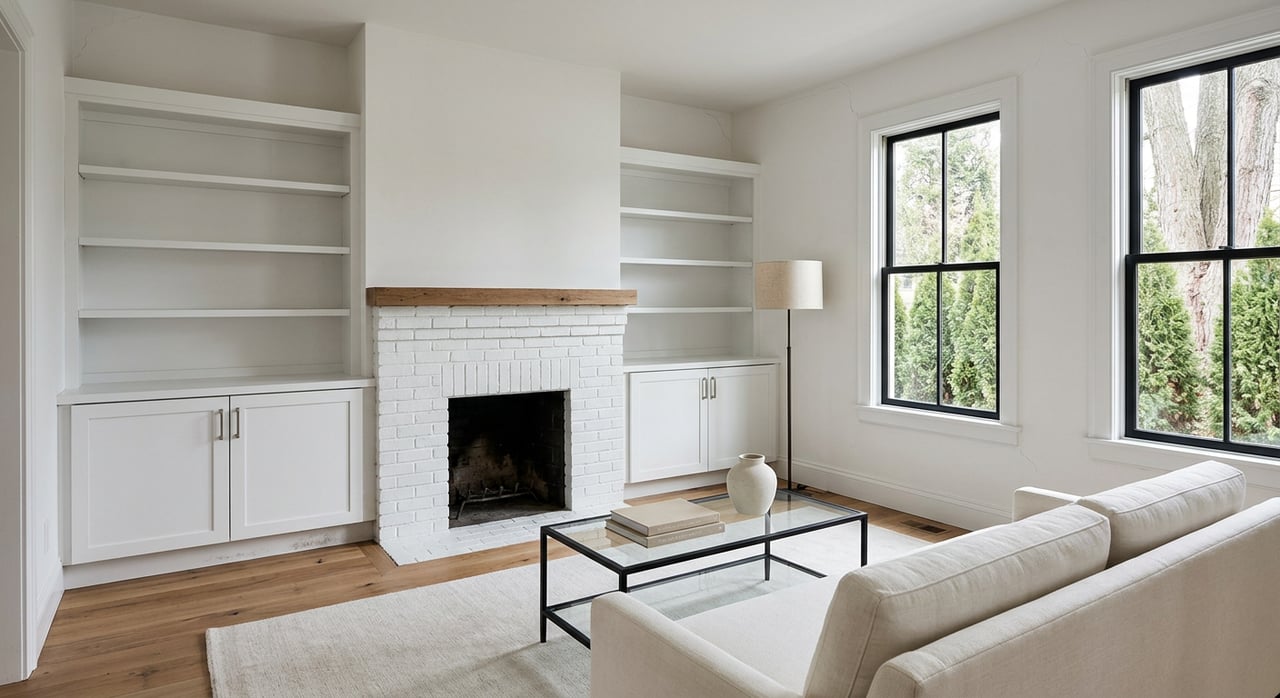
- Kitchens and baths scaled to the house’s proportions, with original trim and floors retained where possible
- Window repair plus storm windows for comfort and energy savings
- Stabilizing porches and exterior trim, then repainting with appropriate systems
- Targeted insulation and air sealing focused on attics and basements
Local resources and next steps
Here is a quick directory you can use as you plan:
- Connecticut State Historic Preservation Office at DECD for tax credits and guidance: Historic Homes Tax Credit and Historic Rehabilitation Tax Credit
- National Park Service technical guidance: Sustainability and historic buildings and wood window repair
- EPA Renovation, Repair and Painting rules: Lead-safe work practices
- CT Department of Public Health: Asbestos guidance and onsite wastewater standards and info
- Local context and town links: Middlesex County Chamber’s Our Towns
If you want a historic home that is beautiful and a smart investment, the right inspections and a step-by-step plan make all the difference. With a background in both finance and construction, I can help you weigh renovation ROI, coordinate the right specialists, and move from offer to closing with confidence. Ready to explore Middlesex County’s historic homes together? Reach out to Tiziana Tremblay to schedule a friendly, no-pressure consultation.
FAQs
What historic home styles are common in Middlesex County, CT?
- You will often see Colonial and Georgian, Federal, Greek Revival, Victorian-era styles like Italianate and Queen Anne, and early 20th century Colonial Revival and Craftsman homes, especially in riverfront and shoreline towns.
What inspections are essential before buying a pre-1940 home in Middlesex County?
- Start with a full home inspection focused on roof, structure, and drainage, then add a licensed electrician, structural engineer if needed, chimney inspection, septic or sewer check, well test if applicable, and lead and asbestos assessments if you plan to disturb materials.
How do Connecticut historic district rules affect exterior changes?
- If the home is in a local historic district, exterior changes that are visible often need a Certificate of Appropriateness from the Historic District Commission; review the state summary of historic districts and COAs.
Do National Register listings restrict what I can do to my home in Middlesex County?
- National Register listing is honorific for private owners using private funds and does not by itself limit alterations; local ordinances and easements control changes, as explained in the NPS National Register FAQs.
Are there Connecticut tax credits for renovating an owner-occupied historic home?
- Yes. Explore the Historic Homes Rehabilitation Tax Credit. Income-producing properties may qualify for the Historic Rehabilitation Tax Credit.
Should I repair or replace original wood windows in a historic house?
- Often repair is best. With weatherstripping and storm windows, restored wood windows can match or exceed many replacements for energy performance while preserving character; see the NPS wooden window repair guidance.