If you are getting ready to sell your home in Tolland County, the inspection can feel like one of the biggest unknowns in the process. The good news is that a home inspection is not a pass-or-fail event, and you do not need a perfect house to move forward with confidence. What you do need is a smart plan that helps you reduce surprises, address visible issues, and make your home easy to evaluate. Let’s dive in.
What a Connecticut home inspection covers
In Connecticut, a home inspection is a written evaluation of major residential systems and components, including heating, cooling, plumbing, electrical, structure, foundation, roof, exterior, and interior elements. The state defines this as a review by a licensed home inspector, and industry standards describe it as a visual inspection of readily accessible areas, not a technical teardown or engineering analysis. You can review Connecticut’s guidance on home inspectors and what inspections cover.
That distinction matters when you are preparing to list. An inspector is generally looking at what is visible and accessible, not opening walls or moving stored items to hunt for hidden conditions. According to the ASHI Standard of Practice, inspectors commonly review roof coverings, flashing, drainage, gutters, plumbing fixtures, electrical panels, heating equipment, grading, and many visible interior features.
Why preparation matters before listing
Pre-list prep is less about making your home flawless and more about reducing renegotiation risk. If an inspection uncovers issues after you accept an offer, buyers may ask for repairs or a credit at closing. Connecticut consumer guidance notes that inspection findings often become part of that negotiation process through repair requests or seller concessions.
When you take care of the obvious items first, you can often keep the transaction smoother and more predictable. This is especially helpful if you want fewer last-minute questions, clearer buyer expectations, and a stronger sense of control once your home hits the market.
Focus first on water and drainage
In Tolland County, one of the smartest places to start is with anything related to water. Inspectors pay close attention to roofs, gutters, grading, drainage, basements, and foundation areas because these are common places where maintenance issues show up first. Connecticut’s weather history includes repeated major winter storms and flooding events, which helps explain why moisture-related concerns are such a practical priority in local homes. You can see that context in NOAA’s Connecticut disaster summary.
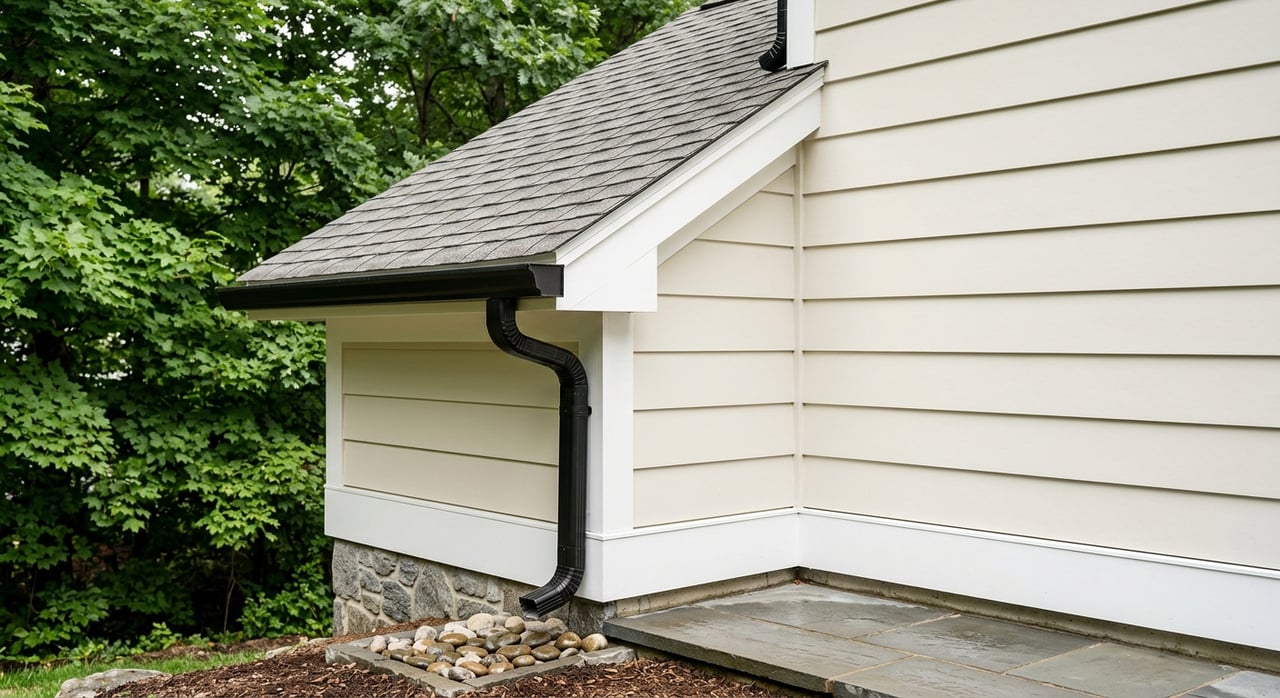
Before listing, look for active roof leaks, damaged flashing, clogged gutters, downspouts that dump water too close to the foundation, and areas where the ground slopes toward the house. These are the kinds of visible concerns that can raise questions during an inspection.
A few practical steps can make a real difference:
- Clean gutters and downspouts
- Make sure downspouts direct water away from the foundation
- Repair active roof leaks
- Replace damaged caulking or flashing where needed
- Check for water stains in ceilings, walls, and basement areas
- Remove stored items that block access to foundation walls
Pay close attention to basements and moisture
Many Connecticut homes have basements, and that means moisture deserves extra attention. If you have had any water intrusion, dampness, musty odors, or visible staining, fix the source first. Then dry the area thoroughly.
According to UConn Extension’s mold guidance, mold grows in wet or damp conditions and commonly develops in basements, bathrooms, and attics. UConn recommends keeping indoor humidity below 50 percent, fixing leaks, and drying wet materials quickly.
If drywall, carpet, or other porous materials stayed wet too long, cleaning alone may not be enough. In those cases, removal and proper repair may be the more sensible path before buyers start looking closely.
Make access easy for the inspector
One of the simplest ways to prepare for an inspection is also one of the most overlooked. Make sure the inspector can actually reach the systems and areas they are there to review.
ASHI notes that inspectors are not required to move personal belongings, debris, snow, or ice. They inspect readily accessible areas, so if key spaces are blocked, they may be excluded or flagged for limited access. That can create avoidable questions for buyers.
Before inspection day, clear access to:
- The electrical panel
- The furnace or boiler
- The water heater
- The attic hatch or stairs
- The basement perimeter
- The crawlspace entrance, if there is one
- The sump pump
- Main water shutoffs and visible plumbing shutoffs
This is a small step, but it signals that the home has been cared for and helps the inspection move efficiently.
Check visible electrical and safety items
You do not need to become an electrician before you sell, but it is wise to check the basics. Inspectors typically review service panels, breakers, receptacles, and visible safety features such as GFCI and AFCI protection where applicable.
It also helps to make sure smoke and carbon monoxide alarms are present, visible, and operating normally. These are straightforward items that buyers notice, and they can influence how well-maintained the home feels overall.
If you see exposed wiring, damaged outlets, or other obvious electrical concerns, this is the time to bring in a licensed professional. Connecticut’s Department of Consumer Protection advises consumers to verify that contractors are properly licensed or registered before work begins, especially for trades such as electrical work. You can review that guidance on working with licensed and registered contractors.
Service heating, plumbing, and mechanicals
Heating and plumbing systems are major parts of a Connecticut home inspection. Inspectors commonly review heating equipment, venting, water heaters, visible supply and drain lines, faucets, and related plumbing components.
If your system is working well, that is great. If you have visible drips under sinks, slow drains, signs of corrosion, or a heating system that has been overdue for service, handling those issues before listing is usually worth it.
The goal is not cosmetic perfection. The goal is clean operation, fewer obvious defects, and a better buyer experience during inspection.
Radon is a real Connecticut issue
Radon is not just a remote possibility in Connecticut. The Connecticut Department of Public Health says elevated radon can occur in any part of the state, and the only way to know a home’s level is to test. The EPA also recommends testing all homes, and if levels are at or above 4 pCi/L, reduction is recommended. You can review the state’s radon program guidance.
Because radon can enter through foundation cracks and lower-level openings, buyers in Tolland County may pay special attention to basements, slab areas, and sump pits. If your home has already been tested or mitigated, gather those records early.
If mitigation is needed, Connecticut notes that systems can reduce radon substantially and that the approximate cost of a radon mitigation system in the state is about $1,200. This is the kind of issue where professional documentation can help reassure buyers.
If you have a well or septic, gather records now
Private wells and septic systems deserve extra preparation because buyers often have more questions about them. Connecticut says about 30 percent of the state’s population lives in buildings served by on-site sewage disposal systems, and the state recommends testing private well water when buying a home.
If your Tolland County home has a private well, collect any water test results you have. The state’s private well testing guidance explains that water quality can change over time and recommends testing through state-certified labs.
If your home has septic, gather pumping and inspection records as well. Connecticut guidance notes that septic tanks generally need pumping and inspection as needed, on average every 3 to 5 years, and that signs like overflow or saturated, odorous drainage areas can be important. The state’s home buyer septic guidance also warns that simple pass-style tests do not guarantee future performance.
Having records ready does not guarantee a buyer will not do additional testing. It does show that you have maintained the property and can answer questions with facts instead of guesswork.
Know when to call a specialist
Some issues are best handled by qualified pros, not quick weekend fixes. That is especially true for electrical work, radon mitigation, septic concerns, private well testing, and widespread mold.
For radon mitigation, Connecticut recommends using a qualified contractor registered through the Department of Consumer Protection. For septic concerns, the state advises using licensed septic cleaners or installers and notes that certain simplified tests can be misleading. For mold, UConn Extension says licensed remediation contractors may be appropriate, especially for larger problems or for households dealing with asthma, allergies, or immune concerns.
Professional repairs and documentation can give buyers more confidence than a patchwork fix. In many cases, that can protect your sale better than trying to save a little upfront.
A practical pre-inspection checklist
If you want a simple game plan, start here:
- Repair active leaks in the roof, plumbing, or basement
- Clean gutters and improve exterior drainage away from the home
- Address damp areas and fix the source of moisture
- Clear access to the attic, basement, crawlspace, panel, furnace, and water heater
- Check visible outlets, switches, alarms, and lighting
- Service heating equipment if needed
- Gather records for roof work, HVAC service, radon testing, well testing, and septic maintenance
- Bring in licensed specialists for electrical, radon, septic, or major moisture concerns
This kind of preparation will not eliminate every inspection note, and that is okay. A home inspection is meant to inform the buyer, not certify that a home is perfect.
Smart prep can protect your sale
The inspection phase is often where a deal feels either steady or stressful. When you address visible issues, organize records, and make your home easy to inspect, you put yourself in a stronger position for the next round of negotiation.
That is where thoughtful seller guidance really matters. With a strong plan, clear communication, and practical prep, you can reduce surprises and move toward closing with more confidence. If you are getting your home ready to sell in Tolland County, Tiziana Tremblay can help you prioritize the updates that matter most and coordinate a smoother path to market.
FAQs
What does a home inspection include in Connecticut?
- A Connecticut home inspection is a visual evaluation of major, readily accessible systems and components such as the roof, structure, foundation, plumbing, electrical, heating, cooling, exterior, and interior features.
What should Tolland County sellers fix before a home inspection?
- Tolland County sellers should focus on visible issues that commonly affect negotiations, especially active leaks, drainage problems, moisture damage, blocked access areas, and obvious electrical or plumbing concerns.
Should you test for radon before selling a home in Tolland County?
- Radon can occur anywhere in Connecticut, so pre-list testing may help you understand whether buyers are likely to raise concerns, especially if your home has a basement or lower-level slab areas.
How do private well and septic records help when selling a Connecticut home?
- Well and septic records can help answer buyer questions, show a history of maintenance, and reduce uncertainty during the inspection and due diligence period.
Is a home inspection a pass-or-fail test for Connecticut homes?
- No, a home inspection is not a pass-or-fail test. It is an informational review that can lead to repair requests, credits, or follow-up evaluations depending on what the inspector finds.